Introduction
The Certified DevOps Professional (CDE) certification is one of the most sought-after credentials for professionals in the DevOps field. As DevOps practices are increasingly adopted by companies globally, the demand for qualified professionals who can design, implement, and manage efficient, automated workflows is on the rise. This guide will walk you through everything you need to know about the Certified DevOps Professional certification and help you decide if it’s the right step for your career.
What is Certified DevOps Professional?
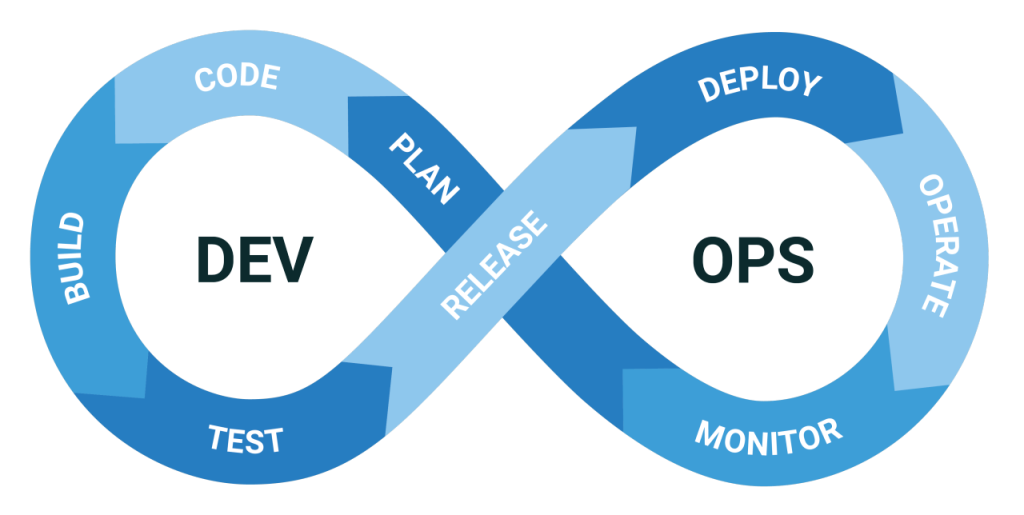
The Certified DevOps Professional is an industry-recognized certification that certifies a professional’s knowledge in implementing and managing DevOps practices within an organization. This certification covers key aspects of the DevOps lifecycle, including automation, continuous integration and delivery (CI/CD), infrastructure management, and collaboration across development, operations, and security teams. It equips you with the necessary skills to design, implement, and scale DevOps practices, improving software development and operational efficiencies.
Who Should Take It?
The Certified DevOps Professional certification is ideal for:
- DevOps Engineers: Those responsible for the implementation of DevOps practices within their organization.
- Software Engineers/Developers: Developers who want to broaden their skills in automation, cloud technologies, and CI/CD pipelines.
- IT Operations Engineers: Those who manage infrastructure and want to transition to a more automated, collaborative environment.
- Engineering Managers & Team Leads: Individuals leading development or operations teams who need to understand DevOps principles to guide their teams effectively.
- Cloud Engineers & Platform Engineers: Those involved in cloud infrastructure who want to optimize their deployment practices and ensure continuous integration and delivery.
Skills You’ll Gain
After obtaining the Certified DevOps Professional certification, you will have gained the following skills:
- CI/CD Pipelines: Automating the process of integration and delivery to accelerate software delivery.
- Version Control Systems: Managing and versioning code effectively with tools like Git and GitHub.
- Automation Frameworks: Building automation pipelines with tools such as Jenkins, GitLab CI, and CircleCI.
- Cloud Platforms: Deploying applications in the cloud using platforms like AWS, Azure, and GCP.
- Containerization & Orchestration: Using Docker and Kubernetes to manage containers and orchestrate services in scalable environments.
- Infrastructure as Code (IaC): Managing infrastructure with tools like Terraform, Ansible, and CloudFormation.
- Monitoring & Logging: Implementing monitoring solutions like Prometheus and Grafana for real-time application tracking.
- Security Integration (DevSecOps): Integrating security practices throughout the DevOps lifecycle.
Real-World Projects You’ll Be Able to Do
With the knowledge gained from this certification, you should be able to tackle real-world projects such as:
- Setting up CI/CD pipelines using Jenkins or GitLab
- Managing infrastructure using tools like Terraform or Ansible
- Automating cloud deployments on AWS, Azure, or Google Cloud
- Integrating security practices within the DevOps pipeline (DevSecOps)
- Monitoring application performance using tools like Prometheus and Grafana
- Implementing containerization using Docker and Kubernetes
Preparation Plan
7-14 Days
- Focus on understanding the basics of DevOps, version control, and automation.
- Get hands-on with tools like Jenkins and Git.
- Complete online tutorials and labs to build basic CI/CD pipelines.
30 Days
- Dive deeper into containerization and cloud platforms.
- Experiment with building and deploying applications on the cloud.
- Familiarize yourself with Kubernetes and Docker for container orchestration.
60 Days
- Master advanced concepts in infrastructure automation (e.g., Terraform, Ansible).
- Learn about security practices in DevOps (DevSecOps).
- Build end-to-end CI/CD pipelines integrated with cloud platforms.
Common Mistakes
Common Mistakes
While preparing for the Certified DevOps Professional exam, candidates often make the following mistakes:
- Neglecting Security Integration: Focusing solely on CI/CD or automation and neglecting the importance of integrating security (DevSecOps).
- Skipping Hands-on Practice: Theoretical knowledge alone isn’t enough—practical experience with the tools is critical.
- Rushing the Preparation: Trying to rush through the material without mastering the basics of DevOps can lead to gaps in knowledge.
- Ignoring Cloud & Containerization: Many candidates overlook the importance of mastering cloud platforms and container orchestration tools like Kubernetes.
- Not Understanding the DevOps Culture: DevOps is as much about culture and collaboration as it is about technology. Failing to understand the principles can lead to incomplete or inefficient implementations.
Best Next Certification After This
After completing the Certified DevOps Professional (CDE) certification, the following certifications can help further enhance your skills and career:
- Certified Kubernetes Administrator (CKA): This certification focuses on managing Kubernetes clusters and services at scale.
- AWS Certified Solutions Architect – Associate: Learn to design scalable and resilient applications on the AWS platform.
- Certified Cloud Security Professional (CCSP): Focuses on cloud security, providing a deeper understanding of securing cloud environments.
Choose Your Path
After obtaining the Certified DevOps Professional certification, you can specialize further in one of the following tracks:
- DevOps: Focuses on optimizing the software development and deployment pipeline using automation, continuous integration, and delivery.
- DevSecOps: Integrates security practices directly into the DevOps workflow, ensuring secure code and infrastructure.
- SRE (Site Reliability Engineering): Focuses on maintaining reliable and scalable systems, with a heavy emphasis on monitoring and performance.
- AIOps/MLOps: Combines artificial intelligence and machine learning with DevOps to enhance automated incident response and data-driven decisions.
- DataOps: Specializes in managing data pipelines and workflows, ensuring seamless data movement and integration within DevOps practices.
- FinOps: Focuses on managing cloud financial operations, cost optimization, and aligning financial goals with DevOps processes.
Role → Recommended Certifications
Here’s a list of recommended certifications based on specific roles:
| Role | Recommended Certifications |
|---|---|
| DevOps Engineer | Certified DevOps Professional (CDE) |
| SRE | Certified Kubernetes Administrator (CKA) |
| Platform Engineer | Certified Cloud Practitioner (AWS, Azure, GCP) |
| Cloud Engineer | AWS Certified Solutions Architect |
| Security Engineer | Certified Information Systems Security Professional (CISSP) |
| Data Engineer | Google Professional Data Engineer |
| FinOps Practitioner | FinOps Certified Practitioner |
| Engineering Manager | Certified DevOps Leader (DOL) |
FAQs
1. How difficult is the Certified DevOps Professional exam?
The exam is challenging but achievable with adequate preparation. The key is to practice hands-on with the tools and concepts.
2. How much time should I dedicate to preparation?
You can prepare in 7-60 days, depending on your existing knowledge and experience.
3. Are there any prerequisites for this certification?
Basic knowledge of software development, version control, and automation is recommended.
4. What is the value of this certification for my career?
This certification is highly respected in the industry and can lead to career advancement opportunities in DevOps, SRE, and related fields.
5. Can I take this exam without prior DevOps experience?
While experience is helpful, dedicated study and hands-on practice can help you succeed.
6. How is this certification different from others?
The CDE is comprehensive and covers the end-to-end DevOps lifecycle, including automation, cloud, and security integration.
7. What is the best way to prepare for the CDE exam?
Focus on hands-on practice, online tutorials, and mock exams to get a feel for the exam format.
8. What should I do after passing the CDE exam?
Consider advancing your expertise by pursuing certifications in Kubernetes, security, or leadership, depending on your career interests.
Next Certifications to Take
After completing the Certified DevOps Professional (CDE), you can enhance your skills with the following certifications:
- Same Track: Certified Kubernetes Administrator (CKA)
- Cross-Track: AWS Certified Solutions Architect
- Leadership: Certified DevOps Leader (DOL)
Top Institutions Offering Training and Certification
- DevOpsSchool: Offers expert-led training, hands-on labs, and globally recognized certifications. It’s one of the leading platforms for DevOps professionals.
- Cotocus: Specializes in DevOps, Cloud, and Security certifications with a focus on practical knowledge and real-world applications.
- SCM Galaxy: Known for its comprehensive DevOps and Cloud training, which prepares you for real-time projects and scenarios.
- BestDevOps: Provides industry-relevant DevOps certifications and training with an emphasis on automation and cloud technologies.
- DevSecOpsSchool: Focuses on integrating security into the DevOps lifecycle, offering certifications and hands-on training.
- SRESchool: Specializes in SRE (Site Reliability Engineering) training and certification, perfect for those interested in optimizing operations.
- AIOpSchool: Offers training in AIOps and MLOps, merging AI/ML with DevOps to provide a next-gen operational strategy.
- DataOpSchool: Specializes in DataOps, focusing on the integration and flow of data within the DevOps pipeline.
- FinOpsSchool: Focuses on financial operations in cloud and DevOps environments, ensuring optimal cost management and efficiency.
Conclusion
The Certified DevOps Professional (CDE) certification is a powerful credential for professionals in the DevOps field. It not only demonstrates expertise in key DevOps practices but also boosts career opportunities by validating the ability to deliver high-quality, scalable, and automated solutions. Whether you’re a DevOps engineer, developer, or IT manager, this certification can serve as a stepping stone to mastering advanced DevOps practices and moving forward in your career. Remember, DevOps is a journey, not a destination—this certification equips you with the necessary knowledge to continue evolving and excelling in the field.
Start your journey today with DevOpsSchool and get certified to take your career to new heights!
