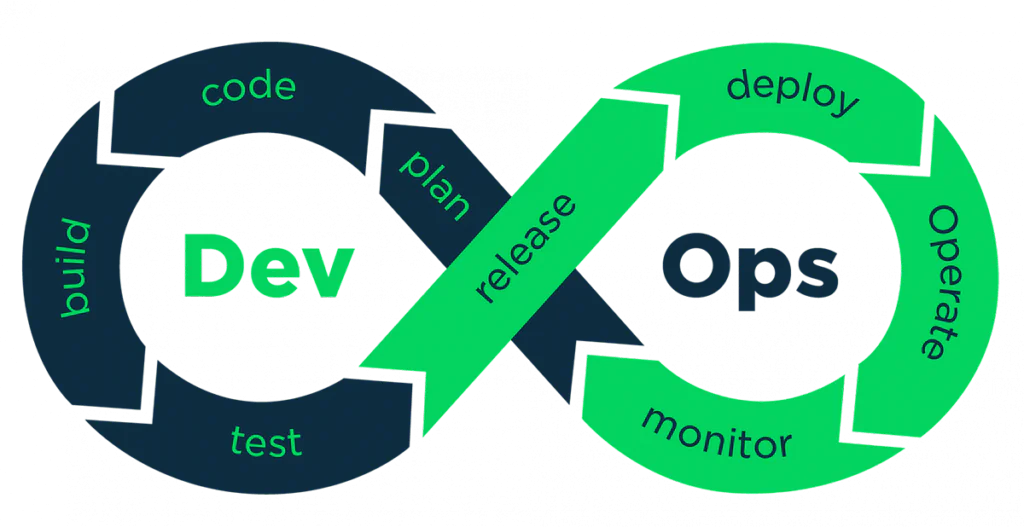
Introduction
The Certified DevOps Engineer (CDE) certification is a globally recognized credential designed for professionals who want to excel in DevOps practices and methodologies. DevOps engineers are responsible for automating and streamlining the development, testing, deployment, and maintenance of software systems. This certification helps individuals build essential skills for managing infrastructure, implementing continuous integration/continuous deployment (CI/CD) pipelines, and improving the collaboration between development and operations teams. By earning this certification, professionals gain expertise in tools, processes, and best practices critical to a successful DevOps environment.
What is the Certified DevOps Engineer Certification?
The Certified DevOps Engineer (CDE) certification is a globally recognized credential aimed at validating your expertise in managing and automating the development pipeline in a DevOps environment. This certification covers the key principles of DevOps, including continuous integration (CI), continuous deployment (CD), infrastructure automation, and container orchestration.
Who Should Take the Certified DevOps Engineer Certification?
The Certified DevOps Engineer (CDE) certification is designed for various professionals, particularly those who want to advance their careers in the rapidly growing field of DevOps. It is suited for:
- Software Engineers: Developers looking to transition into a DevOps role, or those wishing to deepen their knowledge of DevOps practices.
- DevOps Engineers: Professionals already working in the DevOps field who want to formalize their expertise with a recognized certification.
- Cloud Engineers: Individuals responsible for deploying and managing cloud infrastructure who want to learn about automation, scalability, and continuous delivery.
- Engineering Managers: Managers seeking to enhance their team’s workflow, ensuring faster and more reliable software deployment.
- Security Engineers: Those who are looking to integrate security practices into the DevOps pipeline, ensuring secure software development and operations (DevSecOps).
In short, this certification is ideal for those who wish to gain a deeper understanding of DevOps principles and apply them to real-world situations, increasing operational efficiency and collaboration.
Real-World Projects You’ll Be Able to Handle
After obtaining the Certified DevOps Engineer certification, you will be equipped to handle various practical and impactful projects within a DevOps environment. Some of the real-world projects you will be capable of managing include:
- Building and Automating CI/CD Pipelines: You will be able to set up continuous integration and continuous deployment pipelines that automate the process of code integration, testing, and deployment.
- Infrastructure as Code (IaC): You’ll automate infrastructure provisioning and management using tools like Terraform or CloudFormation, ensuring consistent and repeatable deployments.
- Containerized Application Management: You will manage containerized applications using tools like Docker and Kubernetes, enabling scalable and efficient deployment.
- Monitoring and Logging: You’ll implement monitoring systems that track performance, availability, and errors, using tools like Prometheus, Grafana, or ELK stack.
- Automated Testing: You’ll integrate automated testing frameworks within the CI/CD pipeline to ensure that only validated code gets deployed to production environments.
- Cloud Infrastructure Management: You will have the skills to deploy and manage cloud resources on platforms such as AWS, Azure, and Google Cloud.
These projects will help you work more efficiently, speed up the delivery process, and maintain a robust, scalable, and secure system.
Preparation Plan: Timeline Options
Preparation time for the CDE certification varies based on experience. Here are three suggested plans:
- 7-14 Days Preparation (for experienced professionals):
- Focus on hands-on labs, review key concepts, and practice CI/CD pipelines and container orchestration tools.
- 30 Days Preparation:
- Study the theory behind DevOps tools and methodologies, then practice setting up CI/CD pipelines, containerization, and IaC.
- 60 Days Preparation (for beginners):
- Start with DevOps basics, study tools like Docker, Kubernetes, and Jenkins, and work on mini-projects to apply your learning.
Common Mistakes to Avoid
While preparing for the CDE exam, avoid these common mistakes:
- Overloading with theory: DevOps is practical. Focus on hands-on experience with tools and processes.
- Ignoring cloud platforms: Cloud platforms are central to DevOps. Familiarize yourself with AWS, Azure, and GCP.
- Skipping networking and security: A solid understanding of networking and security is essential for managing infrastructure.
- Relying on one tool: DevOps involves many tools. Learn about Jenkins, Docker, Terraform, and other industry-standard technologies.
- Neglecting continuous learning: DevOps is a rapidly evolving field. Stay updated on the latest trends, tools, and best practices.
Best Next Certifications After CDE
Once you’ve earned your Certified DevOps Engineer (CDE) certification, the next steps in your career involve advancing your skills or diversifying your expertise into other areas. Here are a few certifications you might consider:
- Certified Kubernetes Administrator (CKA): Kubernetes is one of the most popular container orchestration tools. This certification focuses on your ability to manage Kubernetes clusters, a key skill in modern DevOps workflows.
- Certified Jenkins Engineer (CJE): Jenkins is a widely used automation server in DevOps environments. Earning this certification helps you prove your ability to set up and manage Jenkins pipelines for CI/CD processes.
- Certified Cloud Security Professional (CCSP): This certification focuses on the security aspects of cloud computing. If you’re interested in DevSecOps, this is an excellent follow-up to DevOps certifications.
You can also consider specialized certifications that are more aligned with your specific career interests or industry needs.
Choose Your Path
Once you’ve earned your CDE, there are several learning paths you can pursue:
- DevOps: Focus on automating the development pipeline, improving collaboration between development and operations teams, and ensuring continuous software delivery.
- DevSecOps: Integrate security into DevOps practices, ensuring the integrity and security of your deployment pipeline.
- SRE (Site Reliability Engineering): Focus on the reliability, scalability, and performance of large-scale systems.
- AIOps/MLOps: Combine DevOps with machine learning and AI to enhance automation and predictive analytics in infrastructure management.
- DataOps: Apply DevOps principles to data engineering, ensuring faster and more reliable data pipeline management.
- FinOps: Manage financial operations in the cloud, ensuring cost optimization while maintaining scalability and performance.
Role → Recommended Certifications Mapping
Here’s a mapping of common roles and their recommended certifications:
| Role | Recommended Certifications |
|---|---|
| DevOps Engineer | CDE, Jenkins Engineer, Kubernetes Administrator |
| SRE | Kubernetes Administrator, Cloud Practitioner |
| Platform Engineer | CDE, Terraform Associate, AWS Solutions Architect |
| Cloud Engineer | AWS Solutions Architect, Azure Solutions Architect |
| Security Engineer | CCSP, DevSecOps Engineer |
| Data Engineer | Google Data Engineer, Azure Data Engineer |
| FinOps Practitioner | AWS Cloud Financial Management, Google Cloud FinOps |
| Engineering Manager | CDE, Agile Leadership Certification |
Top Institutions Providing CDE Training and Certifications
Here are some top institutions that provide training and certification programs for the Certified DevOps Engineer (CDE) qualification:
- DevOpsSchool: Offers extensive training programs that cover DevOps principles, tools, and best practices. DevOpsSchool provides live instructor-led sessions and hands-on labs, ensuring practical learning.
- Cotocus: A leading provider of DevOps training, Cotocus focuses on real-time training with practical labs and certification support. They offer flexible schedules for professionals.
- SCMGalaxy: Known for its comprehensive DevOps training courses, SCMGalaxy equips learners with the necessary skills to pass the CDE exam while providing real-world use case examples.
- BestDevOps: Offers a wide range of DevOps training programs that include courses on CI/CD, containerization, cloud services, and more.
- DevSecOpsSchool: Specializes in DevSecOps training, integrating security best practices with DevOps principles to ensure the integrity and safety of the development pipeline.
- SRESchool: Focuses on Site Reliability Engineering (SRE) training alongside DevOps practices, equipping learners with skills for maintaining the reliability of large-scale systems.
- AIOpsSchool: Specializes in training professionals in AIOps, which integrates machine learning and artificial intelligence with DevOps practices to automate operations.
- DataOpsSchool: Offers training for integrating DevOps principles with data engineering practices, ensuring smooth delivery and management of data pipelines.
- FinOpsSchool: Focuses on financial management in the cloud, teaching professionals how to manage costs and optimize financial operations in a DevOps context.
These institutions provide industry-recognized certifications and hands-on training that will help you prepare for the Certified DevOps Engineer exam.
Next Certifications to Take After CDE
As a Certified DevOps Engineer, your next certifications can help further your expertise in specific areas or help you move into leadership roles:
- Same Track Certifications:
- Certified Kubernetes Administrator (CKA): Master the Kubernetes platform for managing containerized applications.
- Certified Jenkins Engineer (CJE): Deepen your knowledge of Jenkins, an essential tool in continuous integration and continuous delivery.
- Cross-Track Certifications:
- Certified Cloud Security Professional (CCSP): This is ideal if you’re transitioning into DevSecOps, focusing on securing cloud infrastructure.
- Certified Ethical Hacker (CEH): Perfect for those wanting to dive deeper into security practices and ethical hacking.
- Leadership Certifications:
- Certified Agile Leadership (CAL): Helps you grow into leadership roles with a focus on agile methodologies, perfect for managing DevOps teams.
- Certified DevOps Professional (CDP): An advanced certification for those aiming to lead DevOps transformations at an organizational level.
These certifications will expand your skill set and open doors to more specialized and senior roles in the tech industry.
FAQs About Certified DevOps Engineer
1. How difficult is the Certified DevOps Engineer exam?
The exam is challenging, but with thorough preparation, it’s achievable. It combines theory and practical skills in DevOps tools.
2. What are the prerequisites for the CDE certification?
Basic knowledge of software development, cloud platforms, and automation tools is recommended. Some hands-on experience with Docker, Jenkins, and Kubernetes is helpful.
3. How long should I prepare for the CDE?
Preparation time varies. Experienced professionals may need 7-14 days, while beginners might need 30-60 days to get ready.
4. What are the key areas of focus for the CDE exam?
The exam covers cloud platforms (AWS, GCP, Azure), automation tools (Jenkins, Terraform), containerization (Docker, Kubernetes), and CI/CD pipelines.
5. Can I work in DevOps without the CDE certification?
Yes, but the CDE certification enhances your credibility and career prospects by formally recognizing your expertise in DevOps practices.
6. What career paths can I pursue after the CDE?
You can pursue roles like DevOps Engineer, Cloud Engineer, SRE, Platform Engineer, and Engineering Manager.
7. How long is the CDE certification valid?
The certification is valid for three years, after which you need to renew it through continuous learning.
8. What are some common challenges in DevOps?
Common challenges include tool integration, maintaining security during deployment, and managing cloud infrastructure cost.
