MOTOSHARE 🚗🏍️
Turning Idle Vehicles into Shared Rides & Earnings

From Idle to Income. From Parked to Purpose.
Earn by Sharing, Ride by Renting.
Where Owners Earn, Riders Move.
Owners Earn. Riders Move. Motoshare Connects.

With Motoshare, every parked vehicle finds a purpose. Owners earn. Renters ride.
🚀 Everyone wins.

Start Your Journey with Motoshare

Database: Query Builder – Where Not Clauses

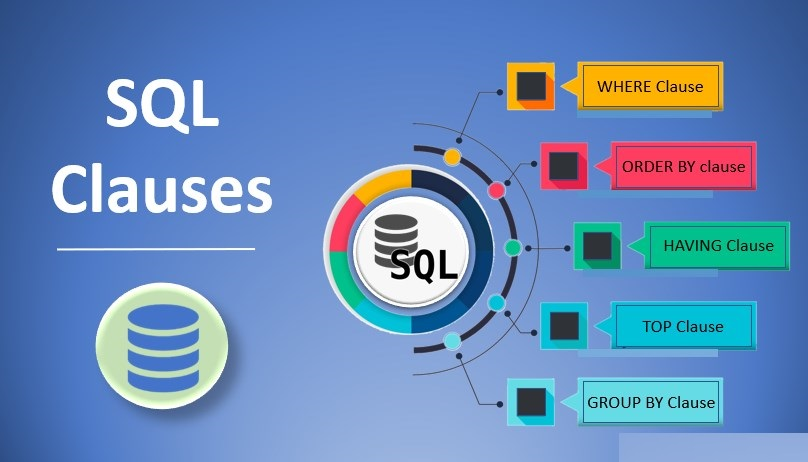
In SQL, the WHERE NOT clause is used to filter rows from a result set based on a condition that should not be met. It is a logical operator that negates the condition specified in the WHERE clause. The WHERE NOT clause is typically used in conjunction with other comparison operators or logical operators to perform more complex filtering in SQL queries.

SELECT column1, column2, … FROM table WHERE NOT condition;

The syntax for using the WHERE NOT clause in SQL is as follows.

  • SELECT: Specifies the columns to be included in the result set.
  • FROM: Specifies the table from which to retrieve data.
  • WHERE: Specifies the condition that must be met for a row to be included in the result set.
  • NOT: Negates the condition specified in the WHERE clause.

Example:

Let’s assume we have a table named “employees” with columns such as “employee_id”, “first_name”, and “salary”. If we want to select all employees whose salary is not greater than 5000, we can use the WHERE NOT clause as follows.

SELECT employee_id, first_name, salary
FROM employees
WHERE NOT salary > 5000;

This query will return all the rows from the “employees” table where the salary is not greater than 5000.

The WHERE NOT clause can be combined with other operators such as “=”, “<>”, “<“, “>”, “<=”, “>=”, and logical operators such as AND, OR to create more complex conditions for filtering data in SQL queries.

It’s important to carefully construct the condition and consider the logical implications when using the WHERE NOT clause to ensure the desired results are obtained.

Related Posts

Mastering the Future of IT Operations: A Complete Guide to the Certified AIOps Engineer

Introduction In the current landscape of rapid digital transformation, the role of IT operations has shifted from manual oversight to automated intelligence. The Certified AIOps Engineer designation…

AIOps Foundation Certification: The Definitive Guide to Modern Operations Mastery

Introduction The evolution of IT operations has reached a critical juncture where manual intervention can no longer scale with the complexity of modern cloud-native environments. This guide…

Certified Site Reliability Professional: A Complete Certification Path for Reliability Leaders

Introduction The Certified Site Reliability Professional is a comprehensive framework designed to bridge the gap between traditional software engineering and systems operations. This guide is crafted for…

Certified Site Reliability Manager: The Definitive Career Guide

Introduction The Certified Site Reliability Manager is a professional designation designed for those bridging the gap between high-level engineering and strategic operations management. This guide is crafted…

Complete Guide to Certified Site Reliability Architect Success

Introduction The Certified Site Reliability Architect is a comprehensive professional program designed to validate the skills of engineers who design and manage high-availability systems. This guide is…

Mastering Your Career with Certified Site Reliability Engineer

The landscape of modern infrastructure is shifting from traditional maintenance to automated, resilient systems. If you are looking to solidify your expertise in high-availability environments, the Certified…

0 0 votes
Article Rating
Subscribe
Notify of
guest
0 Comments
Oldest
Newest Most Voted
Inline Feedbacks
View all comments
0
Would love your thoughts, please comment.x
()
x