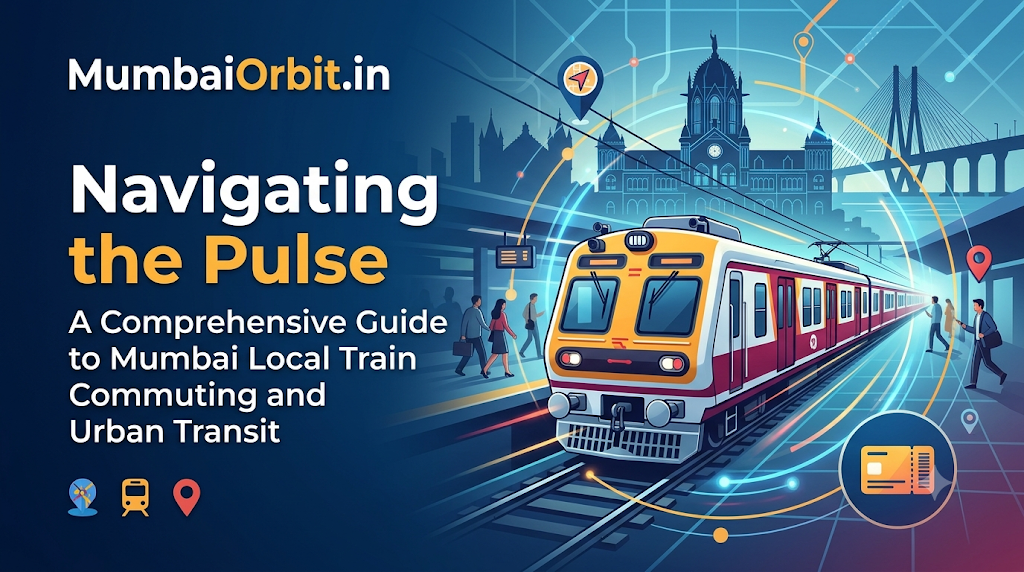
Few urban experiences match the sheer momentum of Mumbai during peak hours. The city moves to a relentless, rhythmic heartbeat dictated by its suburban railway network, a massive transit ecosystem that carries millions of commuters daily across Western, Central, and Harbour lines. For anyone new to Maharashtra’s capital or even for seasoned residents looking to optimize their daily travel, mastering Mumbai’s transport grid is less about memorizing timetables and more about understanding the complex choreography of the city itself.
Urban mobility in Mumbai has evolved far beyond traditional tracks. With the expansion of the metro system, including the crucial underground corridors like the Mumbai Metro Line 3 guide infrastructure developments, navigating the metropolitan region requires a blend of street smarts, timing, and practical planning. This exploration dives into the realities of commuting, the structural nuances of the railway lines, and the indispensable role that local platforms play in helping residents exchange real-time transit wisdom.
The Lifeline of the Metropolis: Understanding the Suburban Railway Network
To understand how Mumbai functions, one must first look at its iron arteries. The suburban railway network is divided into three primary routes: the Western Line, running from Churchgate to Dahanu Road; the Central Line, stretching from Chhatrapati Shivaji Maharaj Terminus (CSMT) to Kalyan, Karjat, and Kasara; and the Harbour Line, connecting CSMT and Goregaon via Vadala Road, as well as extending towards Panvel.
Each line possesses its own distinct personality and operational challenges. The Western Line is often noted for its coastal breeze stretches near Bandra and Mahim, bustling commercial hubs, and high-frequency services. The Central Line handles immense passenger volumes originating from fast-growing suburban nodes like Thane, Kalyan, and Dombivli, acting as a massive funnel for inward-bound morning commuters and outward-bound evening crowds. Meanwhile, the Harbour Line provides critical connectivity to the eastern suburbs and across the creek toward Navi Mumbai.
Navigating this network efficiently demands a practical strategy. First-time commuters quickly learn that fast trains do not stop at every station, making it essential to check station indicator boards carefully. Missing a fast train indicator can easily add twenty minutes to a journey, while boarding a slow train during peak hours means navigating densely packed compartments where proper positioning near the door or window matters immensely.
First-Mile and Last-Mile Connectivity Challenges
A successful journey across Mumbai rarely begins or ends directly at a railway platform. The efficiency of a train ride often depends entirely on first-mile and last-mile connectivity. Whether it is an auto-rickshaw navigating narrow lanes in the western suburbs, a share-taxi winding through South Mumbai, or BEST buses bridging the gap between residential pockets and station entrances, seamless integration is vital.
Commuters frequently discuss the best ways to tackle these transit gaps. In areas like Andheri, Borivali, and Ghatkopar, feeder transport options are abundant, ranging from app-based ride-hailing services to traditional metered transport and localized electric rickshaws. However, during monsoon downpours or heavy rush hours, securing quick last-mile transport can test anyone’s patience, making proximity to transit hubs a major factor when deciding where to live or work.
The Integration of Modern Transit: Mumbai Metro Line 3 and Beyond
While the suburban railways remain the backbone of daily transit, the city’s transport landscape is undergoing a massive transformation with the expansion of the metro rail network. The introduction of modern underground and elevated corridors has fundamentally altered how people traverse cross-city distances, especially along high-density commercial corridors.
The implementation of the Mumbai Metro Line 3 guide provides a blueprint for how underground transit relieves surface congestion. Spanning key financial and residential districts, this corridor connects major employment hubs, educational institutions, and transport interchanges with air-conditioned comfort and high reliability. Commuters who previously relied solely on crowded road networks or multi-leg train journeys now enjoy swift transit options that bypass street-level traffic entirely.
Interchanges and Modal Shift
The true strength of Mumbai’s modern transit grid lies in modal integration. Major transit junctions where suburban railway stations intersect with metro lines and bus terminals—such as Dadar, Andheri, Ghatkopar, and Kurla—serve as massive exchange points. Navigating these hubs requires familiarizing oneself with designated subways, foot overbridges, and ticketing systems.
For instance, transitioning from a Central Line local train to a metro service at Ghatkopar or negotiating the pedestrian pathways at Dadar involves managing high pedestrian traffic volumes. Experienced commuters recommend keeping digital ticketing apps updated, utilizing smart transit cards where available, and planning interchange buffers during peak hours to avoid the stress of tight connections.
Building a Community of Commuters: The Role of Shared Local Knowledge
With a transit network as dynamic and sprawling as Mumbai’s, official timetables and transit maps only tell part of the story. Real-time conditions, sudden operational adjustments, festival rushes, and seasonal disruptions require an agile approach to daily travel. This is where collective wisdom and peer-to-peer communication become invaluable for residents.
Platforms like the MumbaiOrbit.in community forum serve as digital town squares where commuters, newcomers, and long-term residents exchange practical advice, discuss transit delays, share monsoon commuting hacks, and offer recommendations on everything from housing locations near railway stations to efficient alternate routes during maintenance mega-blocks. Instead of relying purely on generalized assumptions, newcomers can tap into lived experiences shared by everyday commuters who understand the nuances of peak-hour crowding, local train etiquette, and station navigation.
Engaging with a local community platform helps demystify the unwritten rules of the city. Whether someone is trying to figure out the best coach to board for an easy exit at a busy terminal or seeking advice on minimizing commute times between suburban residences and South Mumbai offices, community discussions provide grounded, actionable insights that make urban navigation significantly smoother.
Practical Strategies for Stress-Free Mumbai Commuting
Mastering transit in Mumbai is as much about mindset and preparation as it is about physical navigation. To maintain a sustainable daily routine, commuters across the city adopt several tried-and-tested strategies:
- Strategic Time Management: Traveling slightly ahead of or behind peak rush hours can dramatically alter the commuting experience. Shifting departure times by even thirty minutes can mean the difference between a suffocating compartment and a manageable journey.
- Mastering Station Layouts: Knowing which foot overbridge leads directly to the exit closest to your bus stop or office building saves valuable minutes every single day.
- Seasonal Preparedness: Monsoon season brings unique challenges to Mumbai’s transit network. Keeping waterproof gear handy, tracking waterlogging-prone areas through community updates, and allowing extra travel buffer time are essential survival skills for the rains.
- Understanding Ticketing Options: Utilizing digital ticketing applications, paper season passes, or smart transit cards eliminates the daily hassle of standing in long queues at station booking windows.
Looking Forward: A Seamless Urban Future
As infrastructure projects continue to mature and public transport networks expand, Mumbai’s commuting landscape will continue to evolve. Yet, the core spirit of the city’s transit remains anchored in its people—their resilience, adaptability, and willingness to help one another navigate the daily rush.
By combining a solid understanding of the suburban railway network with modern metro connectivity and active engagement with local community resources, residents can transform their daily commute from a daunting chore into a manageable, predictable part of urban living. Whether you are catching a fast local from Borivali, switching lines at Dadar, or exploring new transit corridors across the metropolitan region, preparation and local knowledge remain your greatest assets on the move.
