MOTOSHARE ๐Ÿš—๐Ÿ๏ธ
Turning Idle Vehicles into Shared Rides & Earnings

From Idle to Income. From Parked to Purpose.
Earn by Sharing, Ride by Renting.
Where Owners Earn, Riders Move.
Owners Earn. Riders Move. Motoshare Connects.

With Motoshare, every parked vehicle finds a purpose. Owners earn. Renters ride.
๐Ÿš€ Everyone wins.

Start Your Journey with Motoshare

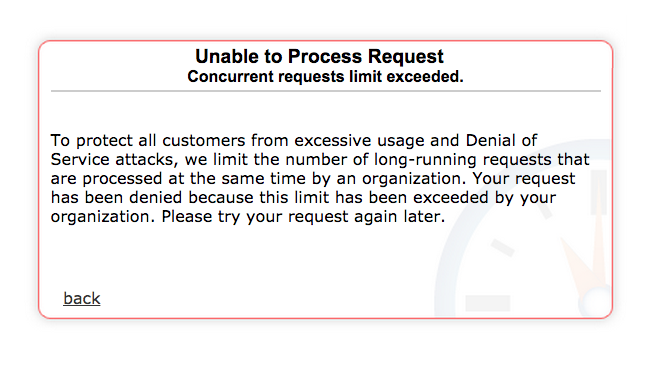
Concurrent Request Limit Exceeded

Some servers have limitations on the number of concurrent requests they can handle from a single client. If you exceed this limit, you may encounter errors or delays in your Ajax requests.

The “Concurrent Request Limit Exceeded” error occurs when the browser has reached its maximum capacity for handling simultaneous requests. This typically happens when you are making multiple AJAX requests at the same time, and the browser is unable to process them all concurrently.

Suppose you have a web page with JavaScript code that initiates multiple AJAX requests to fetch data from a server. If the browser has a concurrent request limit of, let’s say, 6, and you attempt to send 8 simultaneous requests, the browser will handle the first 6 requests immediately but queue the remaining 2 requests. As soon as any of the initial 6 requests complete, the browser will process the next request from the queue.

The “Concurrent Request Limit Exceeded” error message is displayed when the queue of pending requests exceeds the limit set by the browser. This error serves as a notification that the browser’s capacity for concurrent requests has been surpassed.
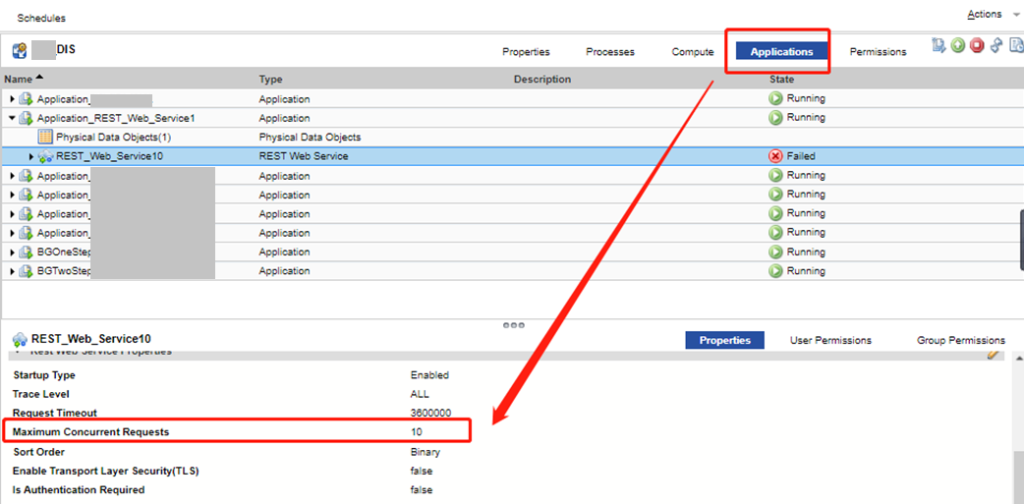
How to prevent from “Concurrent Request Limit Exceeded

Upgrade server infrastructure: If the limit is imposed on the server-side, you might need to upgrade your server infrastructure to handle a higher number of concurrent requests

Prioritize and optimize requests: Identify critical requests and prioritize them over non-essential ones. Additionally, consider optimizing your requests to reduce their overall number or payload size.

Limit the number of simultaneous requests: Instead of sending a large number of requests all at once, you can stagger them or introduce delays between requests to ensure they stay within the browser’s concurrent request limit.

Implement request throttling: Introduce a mechanism to control the rate at which requests are sent from the client-side. Throttling allows you to limit the number of requests sent within a specific time frame, ensuring you stay within the browser’s concurrent request limit.

Related Posts

The Ultimate Guide to Free Fleet Management Software

Introduction In the competitive world of mobility, operational speed is your greatest asset. Whether you operate a car rental business, manage a scooter rental fleet, or provide…

Read More

Heart Surgery Costs: A Guide for Medical Tourists

Introduction Navigating the complexities of cardiovascular health can feel overwhelming. Whether you are researching a routine procedure or a complex intervention, understanding your options is the first…

Read More

Best Cardiac Hospitals: Global Guide to Elite Heart Care

Navigating cardiovascular health challenges requires access to elite medical expertise, advanced diagnostic infrastructure, and highly skilled surgical teams. When facing complex heart conditions, finding the best cardiac…

Read More

Ophthalmology Centers Worldwide: Global Eye Care Guideย 

Preserving pristine vision is essential for a high quality of life, yet millions face challenging ocular conditions like refractive errors, cataracts, and retinal disorders every year. Selecting…

Read More

The Definitive Guide to Deployment Automation for Platform and DevOps Engineers

Introduction The demand for rapid software delivery has never been higher, yet traditional manual deployment processesโ€”characterized by late-night war rooms, long checklists, and high-stress coordinationโ€”introduce severe operational…

Read More

Practical Approaches to Continuous Testing in DevOps for Engineering Teams

Introduction Modern software development demands unprecedented speed, but agility without stability leads directly to costly production failures, missed deadlines, and damaged customer trust. Traditional quality assurance acts…

Read More
0 0 votes
Article Rating
Subscribe
Notify of
guest
0 Comments
Oldest
Newest Most Voted
Inline Feedbacks
View all comments
0
Would love your thoughts, please comment.x
()
x