MOTOSHARE 🚗🏍️
Turning Idle Vehicles into Shared Rides & Earnings

From Idle to Income. From Parked to Purpose.
Earn by Sharing, Ride by Renting.
Where Owners Earn, Riders Move.
Owners Earn. Riders Move. Motoshare Connects.

With Motoshare, every parked vehicle finds a purpose. Owners earn. Renters ride.
🚀 Everyone wins.

Start Your Journey with Motoshare

Error: The project is using an unsupported version of Gradle

If you encounter a message stating that your project is using an unsupported version of Gradle in Android Studio, it means that the version of Gradle specified in your project is either too old or too new for the version of Android Studio you are using. This often happens when you import a project from a different version of Android Studio or when there’s an update to Android Studio itself.

To resolve this issue, you need to update your project’s Gradle version to a compatible one

Open the build.gradle file: In your Android Studio project, navigate to the root folder of your project and find the build.gradle file.

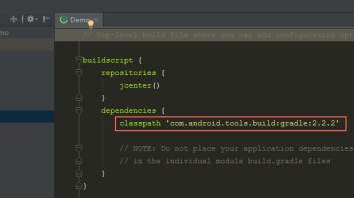
Update Gradle version: In the build.gradle file, look for the classpath dependency for Gradle. It will be in the buildscript section, and it will look something like this

buildscript {
    repositories {
        // ...
    }
    dependencies {
        classpath 'com.android.tools.build:gradle:OLD_GRADLE_VERSION'
    }
}

Replace OLD_GRADLE_VERSION with a compatible version of Gradle. You can find the latest Gradle version supported by Android Studio on the Gradle Plugin Release Notes page: https://developer.android.com/studio/releases/gradle-plugin

Sync Gradle: After updating the Gradle version, Android Studio will prompt you to sync the project. Click on the “Sync Now” button to apply the changes.

Update Gradle Wrapper (Optional): Additionally, you might see a message to update the Gradle wrapper. If so, you can click on the “Update” link or follow the instructions provided to update the Gradle wrapper to match the new Gradle version. After updating the Gradle version and syncing the project, the “unsupported version of Gradle” error should be resolved. However, keep in mind that updating the Gradle version may require updating other dependencies and build configurations in your project. So, you might need to adjust other parts of your project accordingly to ensure everything works smoothly.

Related Posts

How NoOps Is Changing the Way Modern IT Teams Manage Infrastructure

Modern information technology moves at a pace that often leaves traditional operational structures struggling to keep up. For a growing technology company, success brings rapid user adoption,…

Read More

How to Use GitHub Actions for DevOps Automation & Pipelines

In modern software engineering, moving code from a local branch to production traditionally requires a series of manual builds, tests, security checks, and deployments that slow delivery…

Read More

How to Use Jenkins for CI/CD: A Step-by-Step Guide

In modern software development, writing code is only half the journey. Getting that code safely, quickly, and reliably into the hands of users is where the real…

Read More

Navigating the Pulse: A Comprehensive Guide to Mumbai Local Train Commuting and Urban Transit

Few urban experiences match the sheer momentum of Mumbai during peak hours. The city moves to a relentless, rhythmic heartbeat dictated by its suburban railway network, a…

Read More

How Agile and DevOps Work Together for Continuous Delivery

Imagine a company hiring a DevOps freelancer to manage CI/CD pipelines and cloud infrastructure, only for a Friday night server outage to spark immediate tension over uncommunicated…

Read More

CI/CD with Docker Containers: A Step-by-Step DevOps Guide

Every development team eventually faces a frustrating scenario: an application runs flawlessly on a developer’s laptop, but immediately breaks when deployed to staging or production. Traditional deployment…

Read More
0 0 votes
Article Rating
Subscribe
Notify of
guest
0 Comments
Oldest
Newest Most Voted
0
Would love your thoughts, please comment.x
()
x