MOTOSHARE 🚗🏍️
Turning Idle Vehicles into Shared Rides & Earnings

From Idle to Income. From Parked to Purpose.
Earn by Sharing, Ride by Renting.
Where Owners Earn, Riders Move.
Owners Earn. Riders Move. Motoshare Connects.

With Motoshare, every parked vehicle finds a purpose. Owners earn. Renters ride.
🚀 Everyone wins.

Start Your Journey with Motoshare

Error while waiting for device: The emulator process for AVD Pixel_3a_API_30 has terminated

The error message “The emulator process has terminated” indicates that the emulator encountered a critical issue and shut down unexpectedly. This could be caused by various factors, such as incorrect configurations, corrupted data, or insufficient resources. By wiping the data, you remove any potential problematic settings or data that might be causing the error. This action is akin to performing a factory reset on a physical Android device, giving you a fresh start and a better chance of resolving the issue.

One possible solution to the error “Error while waiting for device:

The emulator process for AVD Pixel_3a_API_30 has terminated” is to perform a “wipe data” action on the emulator in the Android Virtual Device (AVD) manager. To access the AVD manager, click on its button in the toolbar within Android Studio or your development environment.
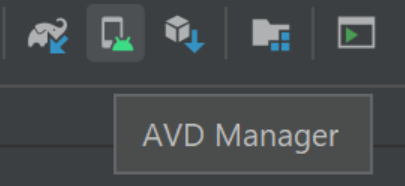
Once in the AVD manager, locate the specific emulator causing the error (in this case, Pixel_3a_API_30), and select the option to “wipe data.”
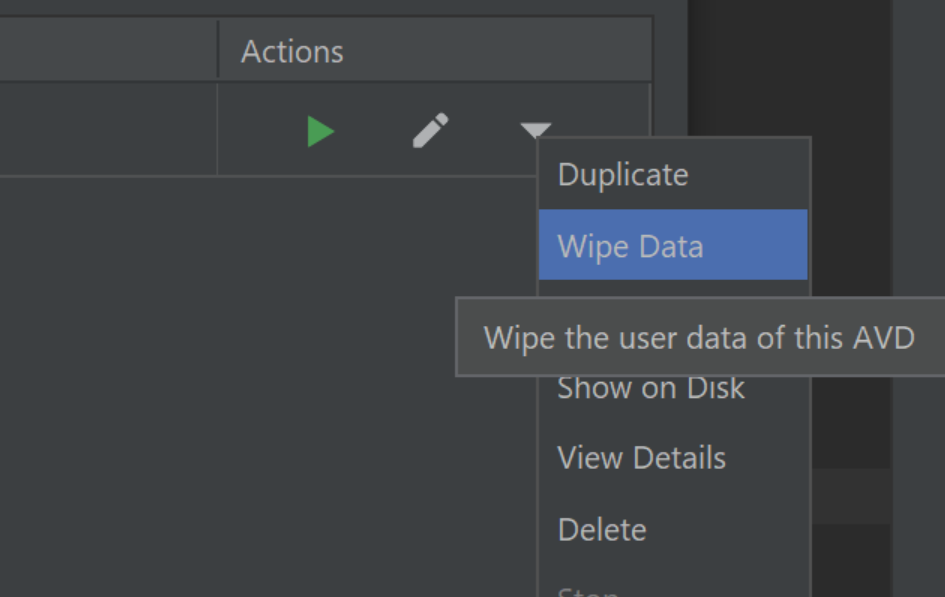
This action will format the emulator, effectively resetting it to its initial state.

Before troubleshooting the emulator, it is essential to ensure that your development environment and system meet the necessary requirements for running the Android emulator smoothly. First, check for updates to your development tools, including Android Studio and Flutter, as newer versions often come with bug fixes and improvements that could address compatibility issues.

Next, verify that your system meets the minimum hardware requirements for running the Android emulator. The emulator can be resource-intensive, and inadequate hardware may lead to errors and slow performance. Ideally, your processor should be an Intel Core i5 CPU or higher, and you should have at least 4GB of RAM available for the emulator to function optimally.

Related Posts

Complete Guide to Certified Site Reliability Architect Success

Introduction The Certified Site Reliability Architect is a comprehensive professional program designed to validate the skills of engineers who design and manage high-availability systems. This guide is…

Mastering Your Career with Certified Site Reliability Engineer

The landscape of modern infrastructure is shifting from traditional maintenance to automated, resilient systems. If you are looking to solidify your expertise in high-availability environments, the Certified…

Complete Guide to Certified DevSecOps Professional

Engineering is no longer just about building features; it is about ensuring those features survive in a hostile production environment. As we move further into the era…

Certified DevSecOps Manager: Ultimate Career and Learning Guide

IntroductionIn the modern technology landscape, software delivery is faster and more complex than ever, making security a top priority. Organizations now demand professionals who can integrate development,…

A Professional Path to Certified DevSecOps Engineer

The way software is built has changed forever. In the past, security was a final gate that code had to pass through before going live. Today, that…

The Guide to Certified DevSecOps Architect Certification

In today’s world, software is the heart of every business. But speed without safety is a risk no one can afford. For many years, we treated security…

0 0 votes
Article Rating
Subscribe
Notify of
guest
0 Comments
Oldest
Newest Most Voted
Inline Feedbacks
View all comments
0
Would love your thoughts, please comment.x
()
x