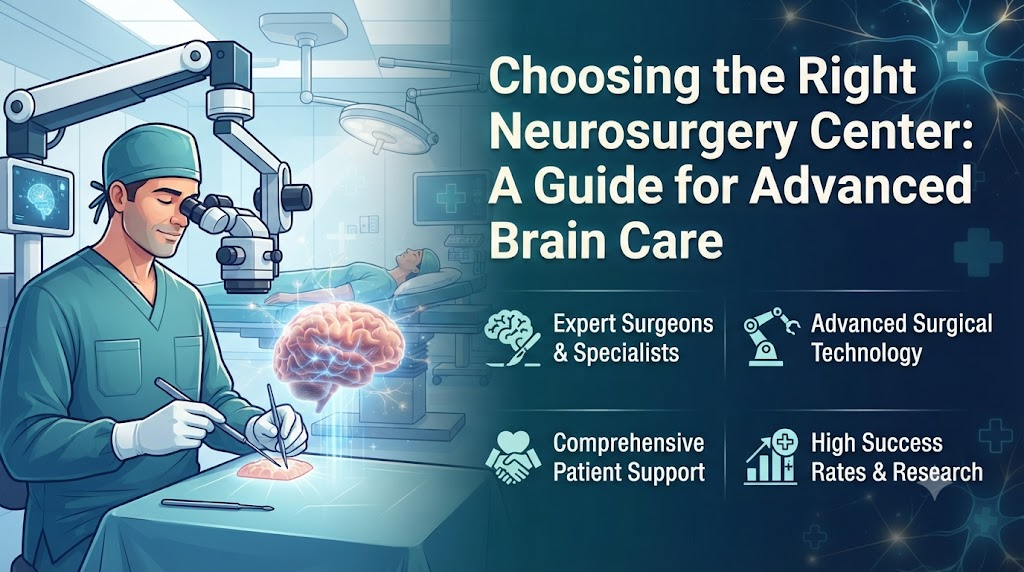
Facing a diagnosis or a recommended procedure involving the nervous system can feel daunting. Because treatments for the brain and spine demand exceptional precision, finding the right medical environment is one of the most important choices a patient and their family can make. Neurological care typically spans multiple phases, starting with accurate diagnostics and moving through surgical intervention, intensive observation, physical therapy, and long-term checkups.
Taking the time to understand your choices ahead of major medical choices ensures that your care aligns closely with your personal health needs. Because medical situations vary based on individual anatomy and clinical history, treatment plans are never identical from person to person. Exploring options carefully often begins with researching reputable brain surgery hospitals and learning what defines excellence in neurological medicine.
What Are Brain Surgery Hospitals?
Institutions offering advanced neurosurgery function as specialized hubs equipped for complex operations involving the central nervous system. These facilities combine dedicated neurosurgical wards with robust neurology support, sophisticated diagnostic imaging, sterile operating suites, and critical care units tailored specifically for brain recovery.
Delivering this standard of medicine requires close cooperation among diverse medical specialists, including neurosurgeons, neurologists, anesthesiologists, critical care experts, and specialized nurses. Additionally, these medical centers provide structured postoperative monitoring and therapy services to help individuals transition back to daily life. It is worth noting that not every medical facility offers every type of specialized neurological procedure, making careful hospital research an essential part of the process.
Understanding Neurosurgery Hospitals
Identifying a hospital with true expertise in neurosurgery involves examining its clinical infrastructure, technical capabilities, and professional staff. Facilities focused on advanced brain care typically feature cutting-edge diagnostic equipment, specialized operating rooms equipped with modern microscopes and navigation tools, and dedicated neurological intensive care units.
Furthermore, the presence of board-certified neurosurgeons, neuro-radiologists, and supportive clinical specialists ensures comprehensive oversight from admission onward. When evaluating different neurosurgery hospitals, patients should look closely at how well a center’s strengths match their specific diagnosis, prioritizing clinical capability and safety over generalized promotional claims.
How to Choose a Brain Surgery Hospital
Selecting an appropriate healthcare facility involves looking into several practical factors that impact medical safety and overall patient comfort. Families and patients often weigh considerations such as:
- Demonstrated clinical expertise and experience handling specific neurological conditions
- Advanced diagnostic machinery and surgical technology
- Dedicated intensive care units managed by specialized staff
- Strict infection control measures and safety protocols
- Comprehensive internal or affiliated rehabilitation facilities
- Clear communication protocols between medical teams and families
- Transparent guidance regarding costs, insurance, and administrative support
Choosing Brain Tumor Surgery Hospitals
When researching centers capable of managing brain tumor surgery, individuals often need to look beyond general surgical capacity and review supporting departments. High-level care for intracranial tumors frequently relies on neuro-oncology support, advanced functional imaging, precise surgical planning software, and rapid neuropathology analysis.
Anesthesia and critical care teams experienced in handling brain tumor patients are equally critical to ensuring safety. While reviewing these brain tumor surgery hospitals, families should also inquire about recovery monitoring protocols, rehabilitation paths, and coordination with ongoing medical treatments to ensure a cohesive healing process.
How to Choose Experienced Brain Surgeons
The individual performing an operation is central to a patient’s outcome. When researching brain surgeons, individuals can look into medical qualifications, board certifications, and specific sub-specialties within neurosurgery. Practical familiarity with the exact procedure being advised is especially important.
Beyond technical skill, effective communication matters immensely. A qualified specialist should explain treatment options clearly, discuss potential risks and realistic alternatives openly, and outline a clear recovery roadmap. A surgeon’s willingness to collaborate within a broader medical team also highlights their dedication to comprehensive patient care. No single professional is universally the right fit for every condition; the best match always depends on the exact diagnosis and individual patient requirements.
Understanding the Role of Neurosurgeons
Neurosurgeons are specialized physicians trained to diagnose, evaluate, and surgically manage disorders affecting the brain, spine, spinal cord, and associated nerves and blood vessels. Their scope of work includes treating tumors, specific forms of severe epilepsy, traumatic injuries, and congenital or structural nervous system conditions.
However, consulting a neurosurgeon does not mean surgery is guaranteed. Specialists review every case thoroughly to decide whether operative treatment or conservative observation is the safer path. Many neurological conditions respond well to medication, monitoring, or alternative therapies, with surgery reserved for situations offering clear clinical benefits.
Understanding Brain Tumor Treatment
Therapeutic strategies for brain tumors vary widely depending on clinical factors like tumor type, exact anatomical location, size, growth rate, existing symptoms, general health, and prior treatments. Because every case is unique, building a treatment plan requires careful multidisciplinary review.
Depending on individual circumstances, medical teams may discuss various approaches, including watchful waiting in selected scenarios, surgical removal, targeted radiation, systemic drug therapies, and supportive care. A balanced treatment plan prioritizes symptom relief, neurological preservation, and overall quality of life.
What Patients Should Know About Brain Aneurysm Surgery
A brain aneurysm is a localized weakness or ballooning in the wall of a blood vessel within the brain. While many aneurysms remain small and asymptomatic, others carry risks that require medical intervention. Specialist assessments utilizing advanced vascular imaging are vital to evaluate an aneurysm’s size, shape, and risk profile.
When treatment is deemed necessary, specialists evaluate options ranging from open surgical clipping to minimally invasive endovascular techniques. The chosen approach depends entirely on vascular anatomy, general health, and detailed professional evaluation rather than a standardized template.
Understanding Epilepsy Surgery
For individuals living with drug-resistant epilepsy, surgical intervention may be explored when medications fail to control seizures effectively. This pathway requires thorough evaluation by a specialized epilepsy center, involving prolonged monitoring, advanced brain imaging, neuropsychological evaluations, and electrophysiological testing to pinpoint the exact origin of seizure activity.
Multidisciplinary discussions ensure that potential benefits are weighed carefully against any risks to cognitive or neurological function. Surgery is not appropriate for every person with epilepsy, making careful patient selection essential.
What Is Minimally Invasive Brain Surgery
Minimally invasive neurosurgical techniques utilize smaller entry points, natural anatomical pathways, or specialized tubular tools to reach targeted brain structures while minimizing disruption to surrounding healthy tissue. Supported by advanced navigation software and high-definition visualization tools, these methods aim to achieve surgical goals while supporting smoother early recovery.
However, eligibility for a minimally invasive approach depends strictly on the underlying condition, lesion location, vascular involvement, and professional judgment. These methods are not universally applicable or automatically superior to open procedures in every single clinical scenario.
When Should Patients Seek a Neurosurgery Second Opinion?
Obtaining a second professional opinion is a valuable, standard practice, especially when facing major elective neurological procedures. Seeking another perspective is particularly helpful when dealing with a complex diagnosis, multiple treatment options, or uncertainty surrounding a recommended surgical plan.
A second opinion helps patients and families better understand potential risks, explore alternative paths, and gain reassurance before moving forward. When scheduling permits, consulting an independent specialist supports informed decision-making without causing harmful delays in necessary care.
Questions to Ask a Neurosurgeon
Preparing thoughtful questions ahead of a consultation helps patients and caregivers gather clear, actionable information. Useful topics to raise during a specialist appointment include:
- What is the precise diagnosis, and what tests confirm it?
- What treatment alternatives exist, and is surgery truly necessary right now?
- What are the potential risks, benefits, and possible complications of the suggested approach?
- Are there non-surgical management options worth considering?
- What specific technique is being planned, and what does the rehabilitation timeline look like?
- What ongoing follow-up care and lifestyle adjustments will be required?
How to Prepare for a Neurosurgery Consultation
Gather Medical Records
Collecting comprehensive medical documentation before an appointment is critical for an accurate evaluation. Patients should bring physical or digital copies of all relevant brain scans, imaging reports, pathology results, prescription histories, and previous clinical notes to give the specialist a complete medical background.
Prepare a Symptom History
Writing down a clear timeline of symptoms helps physicians track how a condition has evolved. Note when issues first appeared, how rapidly they progressed, and any associated symptoms like headaches or functional changes.
List Current Medications
Providing an accurate list of all current prescription drugs, over-the-counter medications, supplements, and known allergies ensures the medical team can evaluate potential interactions safely.
Prepare Important Questions
Writing out questions and concerns before walking into the clinic keeps conversations focused, ensuring that vital topics concerning treatment and recovery are fully addressed.
Bring a Trusted Family Member When Appropriate
Having a supportive family member or caregiver present during appointments is often very helpful. A companion can take notes, help retain complex medical details, and provide emotional support during important discussions.
The Importance of Multidisciplinary Neurosurgical Care
Complex neurological conditions often benefit from the combined expertise of multiple medical disciplines working in unison. Depending on the patient’s needs, care teams may involve neurosurgeons, neurologists, neuro-oncologists, neuroradiologists, radiation specialists, physical therapists, and specialized nurses.
This collaborative setup allows clinicians to evaluate every angle of a patient’s condition, fostering deeper diagnostic insights and balanced care planning. While not every patient requires a large multidisciplinary team, having access to collaborative expertise is invaluable for intricate cases.
Rehabilitation and Follow-Up After Brain Treatment
Recovery from neurological interventions frequently extends beyond the initial hospital stay. Structured rehabilitation programs are tailored to help individuals regain strength, mobility, cognitive abilities, and independence. Depending on individual needs, recovery may incorporate physical therapy, occupational therapy, speech pathology, and cognitive exercises.
Consistent neurological monitoring, medication adjustments, follow-up imaging, and regular specialist checkups are equally important to track healing and manage long-term recovery. Rehabilitation needs vary widely based on the specific condition treated and the patient’s baseline health.
Warning Signs That Urgent Medical Attention Is Required
Certain neurological symptoms demand immediate evaluation in an emergency setting rather than routine outpatient research. Patients and families should seek urgent care if they experience:
- A sudden, severe headache unlike anything felt previously
- The sudden onset of weakness, numbness, or paralysis, particularly on one side of the body
- New or unexplained difficulty speaking, understanding speech, or slurring words
- Sudden loss of consciousness or unexplained fainting
- New, severe confusion, disorientation, or altered mental states
- Sudden changes in vision or loss of sight in one or both eyes
- New, unprovoked seizures or convulsions
- Serious neurological symptoms following a significant head injury
How BrainSurgeryHospitals.com Can Help
Navigating specialized neurological care requires clear, dependable information. Platforms like BrainSurgeryHospitals.com serve as useful educational resources for individuals researching brain surgery hospitals, neurosurgery hospitals, qualified brain surgeons, neurosurgeons, brain tumor treatment, brain aneurysm surgery, epilepsy surgery, minimally invasive brain surgery, and the value of a second opinion.
Providing structured guidance empowers patients and families to conduct informed research, ask meaningful questions, and approach their healthcare decisions with confidence.
Common Mistakes to Avoid When Choosing a Neurosurgery Hospital
Selecting a healthcare provider requires careful discernment. Patients and caregivers should watch out for common missteps, such as:
- Choosing a medical center solely based on advertising presence or promotional visibility
- Selecting a physician purely because of online popularity or general reviews
- Overlooking the importance of relevant specialist experience in treating specific disorders
- Assuming that every neurological issue automatically requires surgery
- Focusing entirely on financial cost while ignoring clinical quality and safety
- Failing to verify the presence of dedicated intensive care and rehabilitation support
- Neglecting to ask about alternative conservative treatments
- Underestimating potential procedural risks and recovery demands
- Skipping a second opinion when facing major, non-urgent elective procedures
- Expecting guaranteed outcomes or complete symptom resolution from medical interventions
The Role of Technology in Modern Neurosurgery
Advanced technology plays a vital supportive role in modern neurology, enhancing precision and safety when managed by experienced hands. Key innovations include high-resolution MRI and CT scanning, real-time surgical navigation systems, intraoperative imaging, operating microscopes, robotic or computer-assisted tools where appropriate, electronic medical records, and sophisticated physiological monitoring equipment.
While these advancements greatly aid medical teams, technology alone does not guarantee outcomes; its true value relies entirely on the training, judgment, and expertise of the physicians utilizing it.
The Importance of Patient and Family Communication
Transparent, clear communication between medical teams, patients, and their families forms the cornerstone of effective neurological care. Understanding the diagnosis, discussing treatment pathways, weighing potential risks, exploring alternatives, and knowing what to expect during recovery helps reduce anxiety and build trust.
Patients should always feel encouraged to ask clarifying questions whenever medical details feel unclear, ensuring they remain informed participants in their own care.
Future of Neurosurgery and Brain Care
The landscape of neurological medicine continues to progress through ongoing clinical research and technological refinement. Future developments point toward even sharper diagnostic imaging, enhanced surgical planning tools, refined minimally invasive procedures, personalized treatment plans based on molecular profiling, and more integrated digital rehabilitation options.
While these advancements hold great promise for improving patient experiences, they complement rather than replace the fundamental pillars of clinical evaluation and expert surgical judgment.
Conclusion
Choosing a specialized neurosurgery center and medical team is a significant decision that requires thoughtful research, careful evaluation of clinical expertise, and a clear understanding of treatment options. Whether exploring complex procedures, considering multidisciplinary care, or seeking a second opinion for non-emergency conditions, informed individuals are better prepared to manage their health journeys.
Rehabilitation, follow-up care, and awareness of urgent warning signs remain essential components of long-term neurological health. Resources like BrainSurgeryHospitals.com offer helpful educational support for individuals researching brain surgery hospitals, neurosurgeons, and specialized neurological care options.
