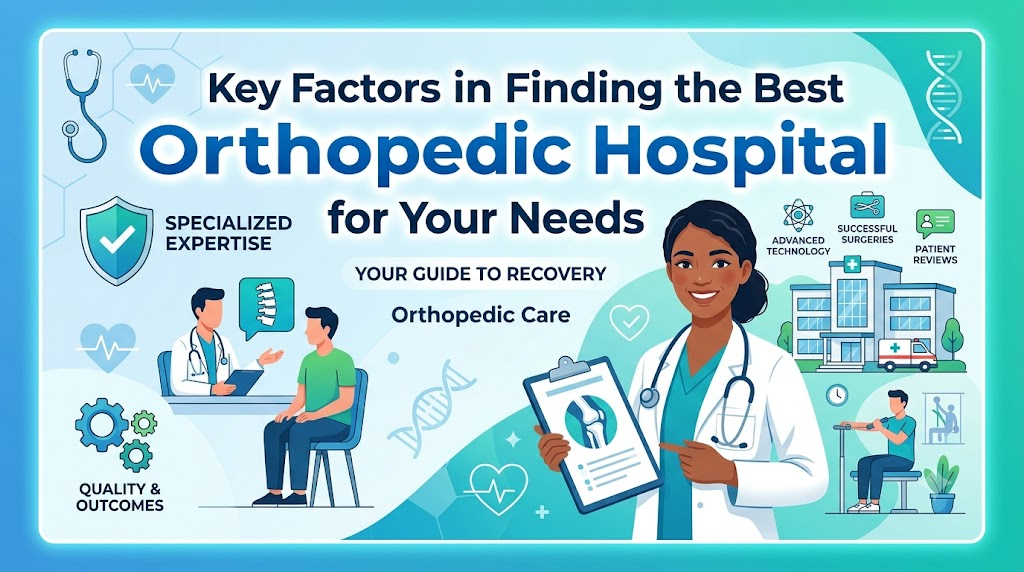
Living with chronic joint stiffness, a sudden sports injury, or persistent back discomfort can disrupt every part of your daily routine. When physical discomfort begins limiting your independence, finding appropriate orthopedic care becomes a top priority. Orthopedic medicine encompasses a wide spectrum of interventions, from non-invasive physical therapy and guided lifestyle adjustments to advanced reconstructive surgeries. Because medical centers differ considerably in their clinical focus, surgical technologies, and post-treatment therapy programs, conducting thorough research is a vital first step. Taking the time to evaluate healthcare providers ensures that you receive care tailored directly to your unique physical condition and recovery goals.
Core Qualities of a Reliable Orthopedic Care Facility
A dependable healthcare facility is built on a foundation of clinical excellence, specialized technology, and patient-centered service. When evaluating top orthopedic hospitals, look for institutions that demonstrate strength across several key areas:
- Subspecialty-Trained Medical Staff: Physicians and surgeons with recognized board certifications, advanced fellowship training, and focused clinical experience in specific areas of musculoskeletal medicine.
- Comprehensive Diagnostic Technology: Accessible on-site imaging, including high-definition magnetic resonance imaging, digital X-rays, and specialized bone density scans for fast, accurate evaluations.
- Dedicated Surgical Suites: Modern operating rooms engineered specifically for orthopedic procedures, equipped with laminar airflow systems and dedicated orthopedic surgical teams.
- Integrated Physical and Occupational Therapy: Fully equipped in-house physical therapy departments that provide structured guidance from the earliest stages of recovery.
- Rigorous Safety and Hygiene Protocols: Established clinical safety measures and sterilization standards designed to minimize the risk of hospital-acquired infections.
- Emergency Orthopedic Support: Round-the-clock trauma care and intensive care units capable of managing acute fractures and severe musculoskeletal injuries.
- Interdisciplinary Collaboration: Seamless coordination between orthopedic surgeons, pain management clinicians, rheumatologists, and primary care physicians.
Strategic Steps for Evaluating an Orthopedic Center
Finding the best orthopedic hospital for your personal needs means matching your specific diagnosis with a center’s verified clinical strengths. Rather than focusing on general marketing, focus your assessment on measurable clinical factors:
- Clinical Specialization: Determine whether the institution maintains dedicated programs for your specific condition, such as an established joint reconstruction unit or an advanced spine center.
- Surgeon Case Volume: Look into the frequency with which the attending specialists perform the specific procedure or treatment you may need.
- Commitment to Non-Operative Care: Prioritize facilities where clinicians thoroughly evaluate conservative treatments, such as targeted physical therapy and joint preservation strategies, before discussing surgical options.
- Facility Layout and Accessibility: Consider the physical ease of entering and navigating the building, especially for individuals dealing with significant mobility challenges.
- Billing and Insurance Transparency: Seek centers that offer clear breakdowns of expected costs, transparent fee schedules, and straightforward insurance verification.
- Structured Discharge Planning: Ensure the facility provides clear guidelines for home care, wound management, and planned recovery milestones.
The Practical Value of Proximity in Orthopedic Treatment
When exploring options for the best orthopedic hospital near me, geographical convenience is an important practical consideration. While complex or unusual conditions might justify traveling to distant regional centers, choosing a nearby facility offers substantial day-to-day advantages.
Recovery from musculoskeletal treatment is rarely an isolated event; it often involves multiple follow-up visits, routine wound evaluations, and ongoing physical therapy appointments. A nearby hospital reduces the physical discomfort of traveling while stiff or recovering from surgery. Furthermore, local access makes it easier for family members and caregivers to provide essential transportation and emotional support throughout your rehabilitation journey.
Key Considerations When Selecting an Orthopedic Specialist
The relationship you build with your primary doctor directly influences your confidence and overall care experience. When researching the best orthopedic doctors, keep the following criteria in mind:
- Focused Clinical Background: Musculoskeletal health is an extensive field. A physician who dedicates their practice specifically to your area of concern—whether that is upper extremity care, spine health, or joint reconstruction—often brings deeper clinical familiarity to your diagnosis.
- Open, Attentive Communication: A great physician takes time to explain medical concepts clearly, listens carefully to your daily functional struggles, and addresses your questions without rushing.
- Conservative-First Philosophy: Seasoned clinicians typically explore physical rehabilitation, lifestyle modifications, and medication management before recommending surgery, keeping operative procedures for cases where non-invasive options have proven insufficient.
- Institutional Credibility: Respected practitioners generally operate within accredited, well-regarded hospitals that uphold high standards of patient safety.
Evaluating Centers for Knee Reconstruction and Replacement
Undergoing knee replacement is a major decision that requires precise surgical execution and consistent post-operative rehabilitation. When identifying the best hospital for knee replacement, it is important to review the entire continuum of care.
High-performing institutions begin with comprehensive pre-surgical health screenings to address any underlying medical considerations. Advanced imaging allows surgical teams to analyze your joint alignment and plan implant placement tailored to your natural bone geometry. In the surgical suite, specialized teams work within clean, tightly controlled environments to protect joint health. After surgery, dedicated physiotherapists guide you through early mobility exercises to restore joint flexibility, rebuild muscle strength, and foster independent movement.
Choosing a Care Center for Hip Replacement
Selecting the best hospital for hip replacement involves assessing how an institution manages joint health from pre-admission counseling to long-term follow-up. Successful hip reconstruction demands experienced surgical teams, appropriate component selection, and attentive post-operative pain management.
Facilities dedicated to comprehensive hip care emphasize thorough pre-operative education, modern diagnostic imaging, and coordinated nursing support. Because restoring a balanced, stable walking gait is crucial, choose hospitals that integrate early rehabilitation protocols, practical gait training, and personalized recovery plans suited to your physical pace.
Essential Features of a Dedicated Joint Replacement Center
A well-rounded joint care program looks beyond individual procedures to support long-term mobility. When searching for the best joint replacement hospital, consider institutions that feature:
- Joint Preservation Therapies: Non-surgical options, physical conditioning programs, and cartilage-protective therapies aimed at maintaining natural joint function whenever clinically appropriate.
- Experienced Reconstructive Teams: Surgical groups with extensive experience in primary joint replacements as well as complex revision procedures.
- Specialized Orthopedic Nursing: Hospital units staffed by nurses and support personnel trained specifically in post-operative orthopedic recovery and early mobilization.
- Comprehensive In-House Therapy: Rehabilitation spaces equipped to guide patients through progressive strength recovery and everyday functional movement training.
- Ongoing Joint Health Monitoring: Scheduled, long-term follow-up appointments to check implant stability, joint flexibility, and overall functional performance over the years.
Selecting a Specialized Spine Care Hospital
The spine is an intricate system of vertebrae, spinal discs, ligaments, and sensitive nerve pathways. Because back and neck issues can stem from mechanical strain, structural wear, or nerve compression, finding the best spine surgery hospital demands a strong emphasis on thorough diagnostics.
Top spine centers prioritize conservative interventions—such as targeted physical therapy, specialized exercise programs, and ergonomic guidance—before evaluating surgical options. In situations where surgery is genuinely required, these hospitals utilize advanced intraoperative neuro-monitoring, modern microsurgical tools, and integrated rehabilitation programs to protect neurological function and support a safe recovery.
Finding Comprehensive Care for Athletic and Sports Injuries
Athletes, weekend runners, and active individuals place unique demands on their bones and joints. The best sports injury hospital offers specialized sports medicine teams focused on helping individuals safely regain performance while minimizing future injury risks.
Key elements of a quality sports clinic include rapid access to diagnostic imaging, sports physicians, and physical therapists skilled in biomechanical analysis. Whether managing ligament sprains, tendon inflammation, or stress fractures, comprehensive sports medicine programs design progressive conditioning routines that support tissue healing and safely guide you back to your favorite physical activities.
Meaningful Criteria for Comparing Leading Orthopedic Centers
When comparing top orthopedic hospitals, it is beneficial to look past superficial ratings and focus on objective clinical benchmarks:
- Departmental Focus: Confirm that the hospital features dedicated departments and established specialists for your particular condition.
- Diagnostic and Technical Resources: Verify that the facility houses advanced diagnostic scanners and properly equipped surgical suites.
- Clinical Safety Measures: Look for established infection-prevention programs, high standards of clinical hygiene, and recognized healthcare accreditations.
- Therapy and Recovery Integration: Ensure that physical therapy, mobility training, and pain management are central components of the overall care pathway.
- Administrative and Financial Clarity: Observe how efficiently the facility manages scheduling, insurance verification, cost estimates, and discharge instructions.
The Importance of Musculoskeletal Subspecialties
Orthopedics spans a wide variety of conditions affecting bones, joints, muscles, tendons, and connective tissues. Because the field is so vast, subspecialization plays a critical role in delivering precise, effective care.
- Adult Joint Reconstruction: Dedicated to managing advanced arthritis, degenerative joint conditions, and hip or knee replacements.
- Spine and Neck Care: Specializes in treating disc herniations, spinal instability, structural deformities, and nerve impingement.
- Sports Medicine: Focuses on treating soft tissue injuries, ligament tears, and joint instability resulting from athletic activities.
- Orthopedic Trauma Care: Manages complex bone fractures, joint dislocations, and acute traumatic injuries.
- Pediatric Orthopedics: Focuses on musculoskeletal development, congenital limb conditions, and growth-related bone disorders in children.
Choosing a physician who concentrates on your specific condition ensures that your diagnostic workup and treatment plan reflect deep clinical familiarity.
Practical Questions to Ask During Your Hospital Evaluation
Preparing specific questions helps you gather essential details during initial appointments:
- Does your medical team routinely manage cases that match my exact diagnosis?
- What diagnostic imaging or clinical tests are necessary to confirm my treatment plan?
- Are there non-surgical or conservative management options we should try first?
- If a procedure is recommended, what surgical techniques and materials are best suited for my anatomy?
- What does the post-treatment physical therapy schedule look like?
- How are follow-up appointments, wound assessments, and progress checks organized?
- What are the projected treatment expenses, and how does the administrative team assist with insurance claims?
Getting Ready for Your Orthopedic Appointment
Careful preparation before your medical appointment helps you make the most of your time with the specialist.
Organize Relevant Health Records
Bring copies of previous imaging discs, X-ray films, MRI reports, blood work results, and summaries of past treatments. Having these documents on hand allows your physician to review your history directly.
Outline Your Daily Symptoms
Note when your discomfort first appeared, what physical movements aggravate or soothe the area, and how the condition affects your daily activities. Providing clear details about pain patterns, stiffness, or functional limitations gives the doctor a comprehensive view of your condition.
Compile Your Questions in Advance
Write down your main questions and concerns before heading to the clinic. Having a written list ensures you remember to discuss all important matters, including diagnostic options and potential recovery timelines.
Share Your Complete Medical History
Be open about any chronic health issues, known allergies, ongoing prescription medications, or past operations. This information is critical for designing safe treatment options and planning appropriate medical care.
Clarify Every Aspect of the Recommended Care Plan
Ensure you fully understand any recommended diagnostic steps, physical therapy routines, medication regimens, or surgical procedures. Inquire about realistic recovery expectations, essential home care needs, and what milestones to look for as you heal.
The Central Role of Physical Rehabilitation in Healing
Medical procedures and surgical interventions are only the first phases of restoring joint health. Dedicated physical rehabilitation is equally essential for regaining strength, flexibility, and day-to-day functional movement.
Physical therapists create structured exercise programs designed to rebuild supporting muscles, improve joint motion, and restore balance. Because recovery rates vary depending on individual health, age, and the extent of the condition, actively engaging in guided rehabilitation is vital for achieving sustainable, long-term improvement.
How BestOrthoHospitals.com Serves as an Informative Guide
Finding clear, structured information about musculoskeletal care can be challenging when managing pain or facing major medical decisions. Educational platforms like BestOrthoHospitals.com provide an organized starting point for patients exploring their healthcare options.
BestOrthoHospitals.com offers informational overviews regarding specialized orthopedic hospitals, experienced physicians, joint reconstruction centers, spine care departments, and sports injury clinics. By gathering practical insights on hospital infrastructure, medical specializations, and clinical care pathways, the platform assists patients and families in conducting thoughtful research prior to meeting with qualified medical professionals.
Common Oversights to Avoid When Selecting a Care Facility
Being mindful of common pitfalls helps you navigate your healthcare journey more effectively:
- Making healthcare decisions based solely on promotional claims rather than verified clinical expertise.
- Assuming that any orthopedic surgeon handles every bone and joint condition with equal specialization.
- Neglecting to evaluate a hospital’s physical therapy and post-operative rehabilitation services.
- Overlooking conservative, non-surgical approaches before discussing surgical options.
- Failing to confirm the full scope of treatment costs and insurance coverage before beginning care.
- Expecting immediate results without committing to the necessary rest, therapy, and recovery timeline.
Practical Technological Advancements in Musculoskeletal Medicine
Modern technological tools continue to enhance orthopedic evaluations, operative planning, and recovery tracking. Advanced diagnostic imaging provides high-resolution views of bone alignment and soft tissue structures, helping clinicians design precise treatment approaches.
During surgical procedures, computer-guided planning systems and specialized instrumentation assist surgeons in positioning components with high accuracy. Furthermore, secure electronic medical systems facilitate clear communication across clinical care teams, while virtual consultations offer practical options for routine check-ins, medication discussions, and ongoing recovery updates.
The Evolving Landscape of Orthopedic Health
Orthopedic medicine continues to advance toward more personalized, patient-focused care. Modern treatment strategies increasingly emphasize individualized care plans that consider a person’s unique physical anatomy and everyday lifestyle goals.
Innovations in rehabilitation equipment, wearable activity trackers, and data-guided physical therapy enable medical teams to observe healing progress more consistently. As surgical techniques, pain management protocols, and rehabilitation programs become more closely integrated, patients can look forward to more coordinated, supportive, and effective recovery experiences.
Final Thoughts
Selecting the right medical center for joint, spine, or sports-related care is a significant decision that deserves careful thought and research. A dependable healthcare facility combines skilled medical specialists, modern diagnostic equipment, dedicated surgical suites, and comprehensive rehabilitation programs.
By evaluating potential providers based on clinical strengths, specialized departments, and patient-care standards, you can take an active, confident role in your health journey. Informational resources like BestOrthoHospitals.com can help you organize your initial research. Ultimately, all healthcare decisions should be made in close consultation with qualified orthopedic professionals who can assess your specific medical needs and design an appropriate, personalized care plan.
