MOTOSHARE 🚗🏍️
Turning Idle Vehicles into Shared Rides & Earnings

From Idle to Income. From Parked to Purpose.
Earn by Sharing, Ride by Renting.
Where Owners Earn, Riders Move.
Owners Earn. Riders Move. Motoshare Connects.

With Motoshare, every parked vehicle finds a purpose. Owners earn. Renters ride.
🚀 Everyone wins.

Start Your Journey with Motoshare

How to solve error “FAILURE:Build failed with an exception” in android studio?

The “FAILURE: Build failed with an exception” error in Android Studio is a generic message that indicates there was an issue during the build process of your Android project. This error can be caused by various factors, such as configuration errors, dependency conflicts, or issues with the project files.

In Android Studio, navigate to the “Build” or “Messages” window to view the full build output. This window contains detailed information about the build process, including any error messages and stack traces. Analyze the output to understand the cause of the failure. Gradle is the build system used by Android Studio. Sometimes, issues can arise due to inconsistencies between project files and Gradle configurations. To resolve this, go to File > Sync Project with Gradle Files or click the “Sync Project” button in the toolbar. This action ensures that your project files are in sync with the Gradle build system.
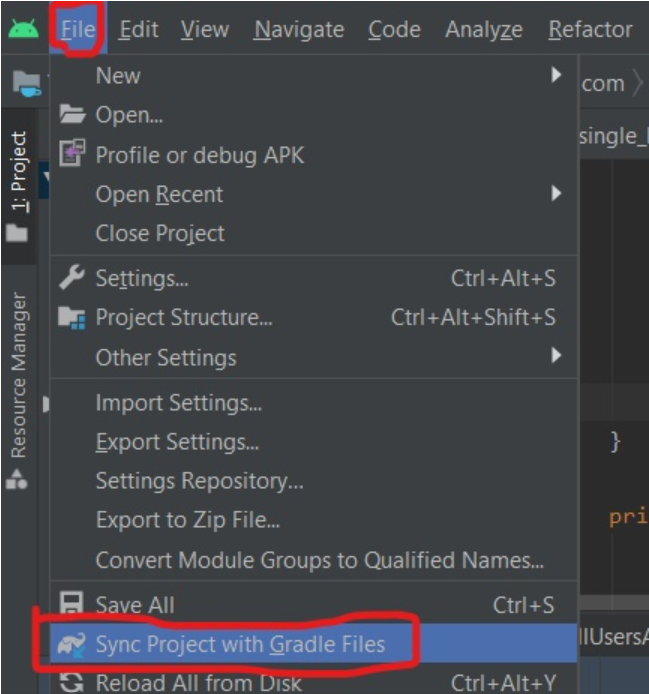
Conflicting dependencies or outdated library versions can cause build failures. Review your project’s build.gradle files and ensure that all dependencies are compatible with each other and up to date. You can use the “Gradle” tab in Android Studio to navigate to the specific build.gradle files.

Sometimes, build artifacts or caches can become corrupted, leading to build failures. Go to Build > Clean Project and then Build > Rebuild Project to clean the project and rebuild it from scratch. This action will regenerate all the build artifacts.

If you are using Android Studio 3.0 or above, consider disabling Instant Run during debugging, as it can sometimes cause build issues. Go to File > Settings > Build, Execution, Deployment > Instant Run and uncheck the “Enable Instant Run” option.
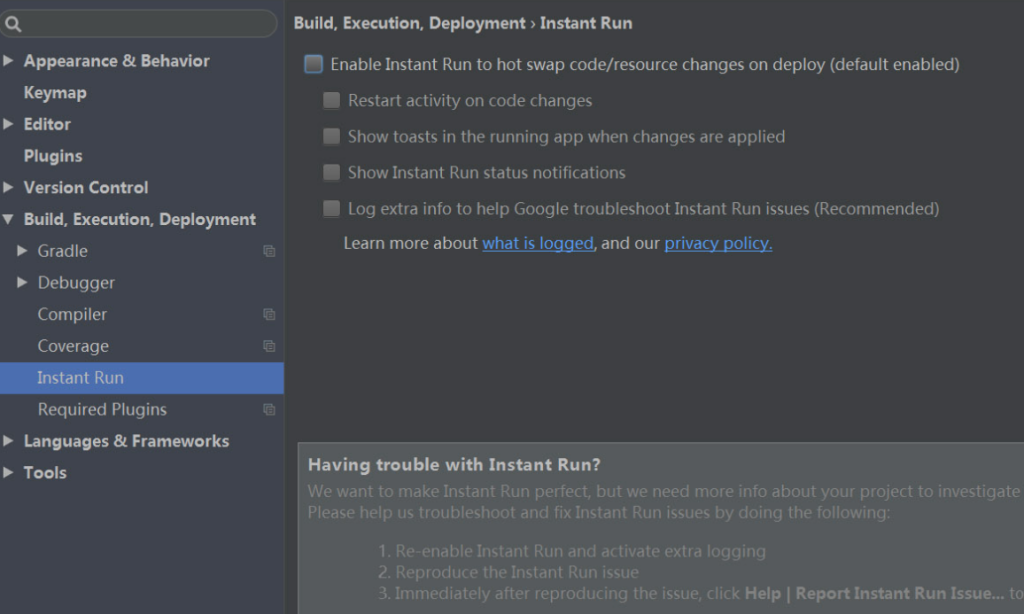
Verify that you have installed the correct SDK versions and API levels required by your project. You can do this in the SDK Manager within Android Studio.

If you have enabled R8 for code obfuscation, review the configurations in the proguard-rules.pro or android/app/build.gradle files. Incorrect configurations can cause build failures. Make sure you are using the latest version of Android Studio and Gradle. Updates often come with bug fixes and improvements that may resolve build-related issues.

Related Posts

Certified MLOps Architect: A Comprehensive Guide to Mastering AI Infrastructure and Career Growth

Introduction The transition from traditional software development to machine learning requires more than just knowing how to build a model. It demands a robust architectural framework that…

Read More

Mastering Machine Learning Operations: A Comprehensive Guide to the Certified MLOps Professional

The gap between developing a machine learning model and deploying it into a stable production environment remains one of the most significant challenges in the modern tech…

Read More

The Definitive Guide to Becoming a Certified MLOps Engineer: Career Path and Roadmap

Introduction The journey to becoming a Certified MLOps Engineer is a strategic move for professionals looking to dominate the intersection of Machine Learning and DevOps. This guide…

Read More

Complete Tutorial: PHP OOP — Class & Object

Introduction to OOP in PHP Object-Oriented Programming (OOP) is a programming style that organizes code into objects, which are created from classes. PHP supports OOP concepts that…

Read More

The Ultimate Guide to Certified AIOps Professional: Certification, Tracks, and Career Growth

Introduction The rise of artificial intelligence in IT operations has changed how we manage complex systems. The Certified AIOps Professional is a comprehensive program designed to bridge…

Read More

Mastering the Future of IT Operations: A Complete Guide to the Certified AIOps Engineer

Introduction In the current landscape of rapid digital transformation, the role of IT operations has shifted from manual oversight to automated intelligence. The Certified AIOps Engineer designation…

Read More
0 0 votes
Article Rating
Subscribe
Notify of
guest
0 Comments
Oldest
Newest Most Voted
Inline Feedbacks
View all comments
0
Would love your thoughts, please comment.x
()
x